ServicesOngoing Compliance Support
Ongoing Compliance Support in Plantation
Earning the Live Local Act exemption is one filing. Keeping it means every lease, rent change and resident file has to match the income and rent limits all year. We track those details for your property and give you one person to call when a question comes up.
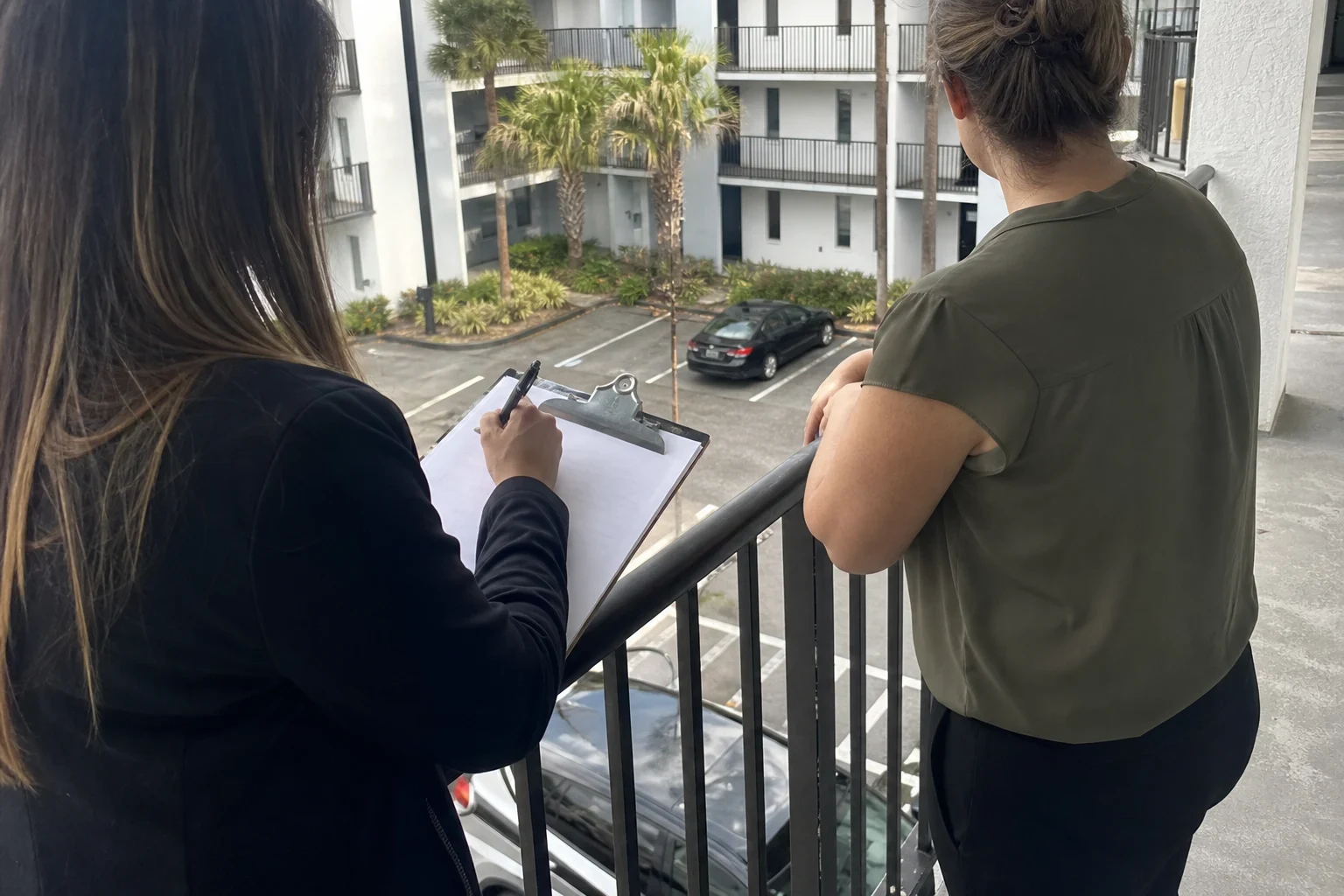
What ongoing compliance support covers
The exemption under the Live Local Act is not permanent. It rests on facts that change every month: who moves in, what they earn, what each restricted unit rents for, and whether the published income and rent limits have shifted. One lease signed above the rent cap, or one move-in without a completed income certification, can put a unit out of the qualifying count when the property is reviewed.
Ongoing compliance support is the work between filings. We review your rent roll against the current limits, check resident income files as they come in, keep the deadline calendar for the FHFC certification and the county DR-504AFH, and keep records organized so the next filing is built from documents that already exist.
You deal with one person from the first review onward. That person knows your unit mix, your leasing staff and your history, so a question from the property appraiser or a leasing agent gets answered without starting over.
What we handle month to month
- Rent limit checks
- Income and rent limits are updated each year, usually in spring, and they vary by bedroom count and AMI tier. We apply the new figures to every restricted unit and flag any lease that would go over the cap at renewal.
- Move-in file review
- Each new resident in a restricted unit needs income documentation that supports the tier the unit is counted under. We review those files before or shortly after move-in, when gaps are still easy to close. Deeper verification work is covered on our Resident Income Verification page.
- Rent roll reconciliation
- We compare the rent roll to the unit designations used in your certification. Unit swaps, transfers and vacancies are where counts most often drift, so we track them unit by unit.
- Deadline calendar
- We keep the dates for the FHFC certification request and the March 1 DR-504AFH filing with the Broward County Property Appraiser, and we start collecting documents well ahead of them.
- Audit-ready records
- Lease copies, income certifications and rent histories are kept in one organized set. When a reviewer asks for support on a specific unit, the file is ready.
Signs your property needs ongoing support
Leasing staff turned over
New leasing agents often do not know which units are restricted or what the caps are. Mistakes show up months later in the rent roll.
Renewals priced off market rent
If renewal increases come from a property management system set to market rates, restricted units can quietly cross the limit. The increase is legal for a market unit and a problem for a restricted one.
Income files are incomplete
Missing pay stubs, unsigned certifications or files with no third-party verification weaken the count you report. Gaps are harder to fix once a resident has lived there for a year.
Filing season feels like a scramble
If every January means rebuilding records from scratch, the process is running on memory. A monthly routine turns the annual filing into a review instead of a search.
How the support works
- 1
Baseline review
We start with your current certification, unit designations, rent roll and a sample of resident files. This shows where the property stands today and which units need attention first.
- 2
Set the routine
We agree on what your staff sends us and when, usually the rent roll, new leases and renewal notices each month. Your contact explains the checklist to the leasing team by phone or video.
- 3
Monthly checks and alerts
We review each batch against the current limits and send a short written note on anything out of line, with the unit number, the issue and the fix. Problems are caught at the lease stage, not at filing time.
- 4
Filing preparation
As the FHFC and county deadlines approach, we assemble the documents already gathered during the year and coordinate with our Annual Recertification work so nothing is duplicated.

What affects the cost
Pricing depends on how much there is to review and how clean the records are when we start. We look at your property first and explain the scope before any work begins. You get your quote by phone after the free review.
- Number of restricted units
- More restricted units means more files, more renewals and more rent checks each month.
- Leasing turnover
- Properties with frequent move-ins and transfers need more file reviews than stable ones.
- Condition of existing records
- If resident files or unit designations need to be rebuilt, the first months take more time.
- Number of properties
- Owners with several Live Local properties across Broward County can often share one routine and one contact, which affects how the work is scoped.
Questions about ongoing compliance support
Something not covered here? (954) 738-3397
Isn't the exemption handled once we file?
No. The exemption is applied for each year, and it depends on the units qualifying as of January 1. What happens in leasing during the prior months decides what you can report. Ongoing support keeps that year in order.
What happens if a restricted unit goes over the rent limit?
That unit may not count toward the exemption, depending on timing and how the issue is corrected. We flag the problem in writing as soon as we see it and explain the options so your team can correct the lease. Catching it at renewal is far easier than explaining it at filing.
Do we need to work at your office?
No. Most of the work happens by phone, video and shared documents. Clients in Plantation and nearby cities such as Davie, Sunrise and Fort Lauderdale can also meet at our office if they prefer.
Who do we talk to when something comes up?
The same person every time. Your contact knows your property and its files, so you do not have to repeat the background to someone new.
Can you start partway through the year?
Yes. We begin with a baseline review of where things stand, fix what can still be fixed before January 1, and then settle into the monthly routine.

Keep the exemption from slipping between filings
Tell us about your property and current records. We will check where it stands and explain what monthly support would involve.